NHTSA Probes 1.3 Million Ford F-150s Over Transmission Defect
The 6R80 six-speed automatic in 2015–2017 F-150s can unexpectedly downshift, locking the rear wheels while driving. The federal government wants to know how widespread it is.
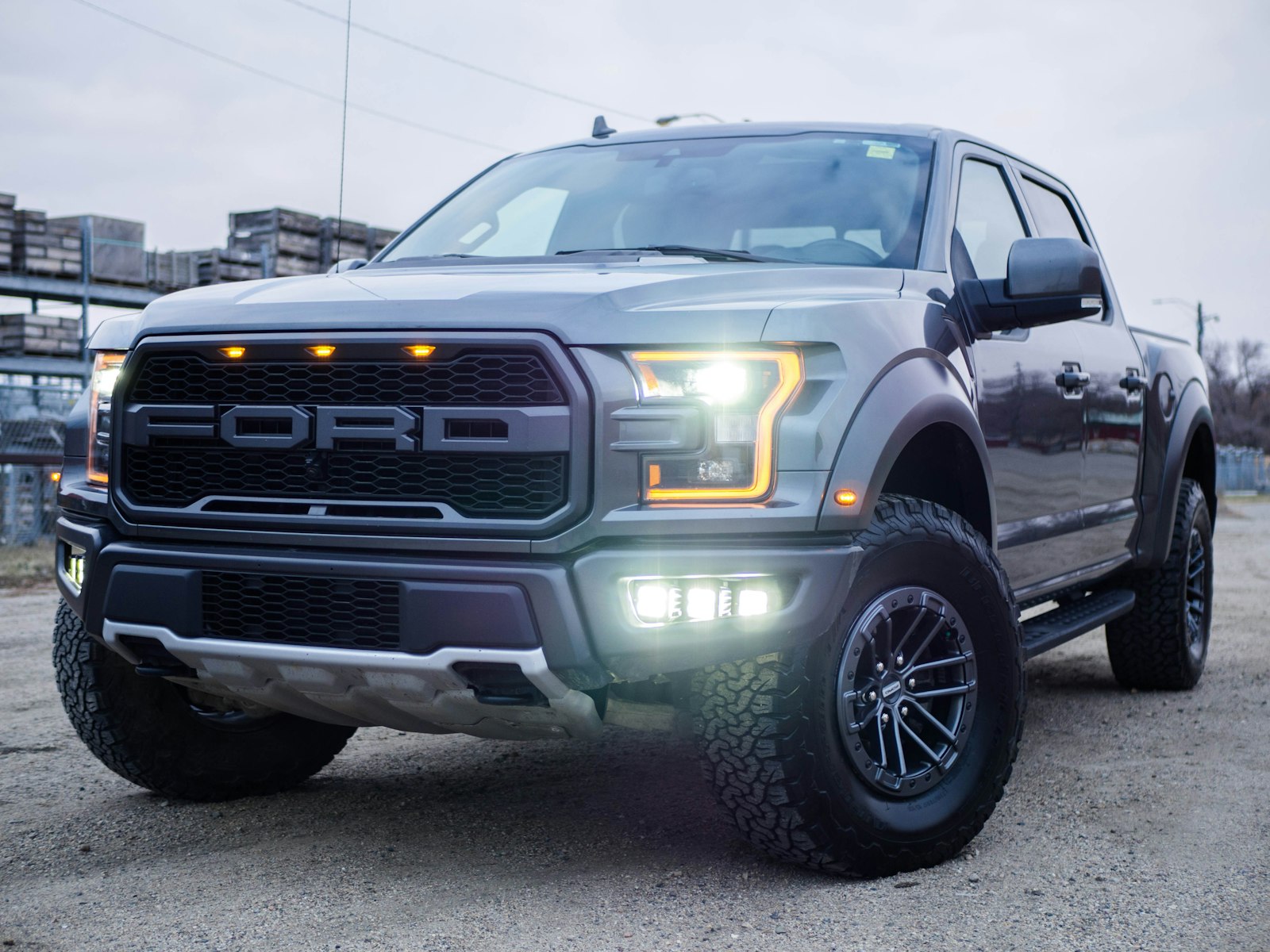
Photo: Ford F-150, America's best-selling vehicle and the subject of a new federal transmission investigation.
The National Highway Traffic Safety Administration has opened an investigation into approximately 1.3 million Ford F-150 pickup trucks—model years 2015 through 2017—over a transmission defect that can cause the rear wheels to lock up without warning while driving. This is not a recall. Not yet. It is a federal probe, and that distinction matters for every F-150 owner in Sonoma County.
The issue centers on the 6R80, a six-speed automatic transmission found in millions of F-150s. Under certain conditions, the transmission unexpectedly downshifts, and when it does, the rear wheels can lock. At highway speeds, that means loss of vehicle control. At any speed, it means danger.
Because this is an investigation rather than a recall, Ford is not yet required to repair these trucks at no cost. That leaves owners in a difficult position: driving a vehicle with a known safety concern and no manufacturer-funded fix on the horizon. This is precisely where independent transmission specialists become essential.
“The transmission can unexpectedly downshift, causing the rear wheels to lock up—a condition that increases the risk of a crash.”
— National Highway Traffic Safety Administration
What NHTSA Found
NHTSA's investigation was triggered by a pattern of complaints from F-150 owners reporting sudden, unintended downshifts while driving. The reports describe a consistent failure scenario: the truck is cruising at normal speed when the transmission abruptly drops to a lower gear. The resulting drivetrain shock can lock the rear wheels, sending the vehicle into a skid.
The agency is now gathering data to determine whether the problem is widespread enough to warrant a mandatory recall. In the meantime, no recall number has been assigned, and Ford has not issued a voluntary fix. The investigation covers all 2015, 2016, and 2017 F-150 models equipped with the 6R80 transmission—roughly 1.3 million trucks on American roads.
For context: the Ford F-150 is the best-selling vehicle in the United States. California alone accounts for a massive share of those sales. In Sonoma County, F-150s are everywhere—on Highway 101, on vineyard roads, hauling trailers to Bodega Bay, commuting between Windsor and San Rafael. This investigation hits close to home.
How the 6R80 Transmission Fails
The 6R80 is a torque-converter six-speed automatic that Ford has used across its truck and SUV lineup for years. It is a generally reliable unit—which makes this failure mode particularly concerning. Under normal operation, the transmission's electronic controls manage gear selection based on speed, throttle input, and load. When the system works, shifts are smooth and predictable.

2015–2017 Ford F-150 models with the 6R80 six-speed automatic are under investigation.
When it fails, however, the transmission drops gears abruptly. Rather than a controlled downshift—the kind you feel when passing or descending a hill—the 6R80 commands a sudden, aggressive gear change. The drivetrain binds. The rear wheels stop turning. At 55 mph on Highway 101, that can be catastrophic.
The root cause is still under investigation, but complaints point to issues with the transmission's valve body, solenoids, or electronic control module. These are the components that manage hydraulic pressure and gear engagement—the transmission's decision-making center. When any of these components sends an erroneous signal, the wrong gear engages at the wrong time.
Trucks used for towing face elevated risk. The additional load stress on the transmission amplifies the consequences of a sudden downshift. A locked rear axle while hauling a trailer on a Sonoma County back road is a scenario no driver should face.
Affected Vehicles
The NHTSA investigation covers the following:
- 2015 Ford F-150 — All variants with 6R80 six-speed automatic
- 2016 Ford F-150 — All variants with 6R80 six-speed automatic
- 2017 Ford F-150 — All variants with 6R80 six-speed automatic
This covers approximately 1.3 million vehicles. If you own a 2015–2017 F-150 with the six-speed automatic (not the 10-speed, which was introduced later), your truck falls within the scope of this investigation. You can verify your vehicle's transmission type on the driver-side door jamb sticker or by checking your VIN at nhtsa.gov/recalls.
Warning Signs to Watch For
The rear-wheel lockup can occur without warning, but many owners report precursor symptoms in the days or weeks before a serious incident. If you drive an affected F-150, pay close attention to these signs:
- Harsh or unexpected downshifts — The truck drops a gear abruptly, especially at highway speeds or during light braking
- Transmission slipping or hesitation — A delay between pressing the accelerator and the transmission responding
- Jerking or shuddering during shifts — Noticeably rough transitions between gears, particularly in the 3-4 and 4-5 shift ranges
- Check engine light or wrench icon — Transmission-related codes such as P0700 (transmission control system malfunction) or P0750–P0770 (shift solenoid codes)
- Limp mode activation — The truck suddenly limits power and holds a single gear, typically second or third
- Rear-end lurch or jolt — A sudden physical jerk from the rear of the vehicle during normal driving
Any of these symptoms warrants immediate professional transmission diagnosis. The difference between an early warning and a highway emergency is often just a few days.
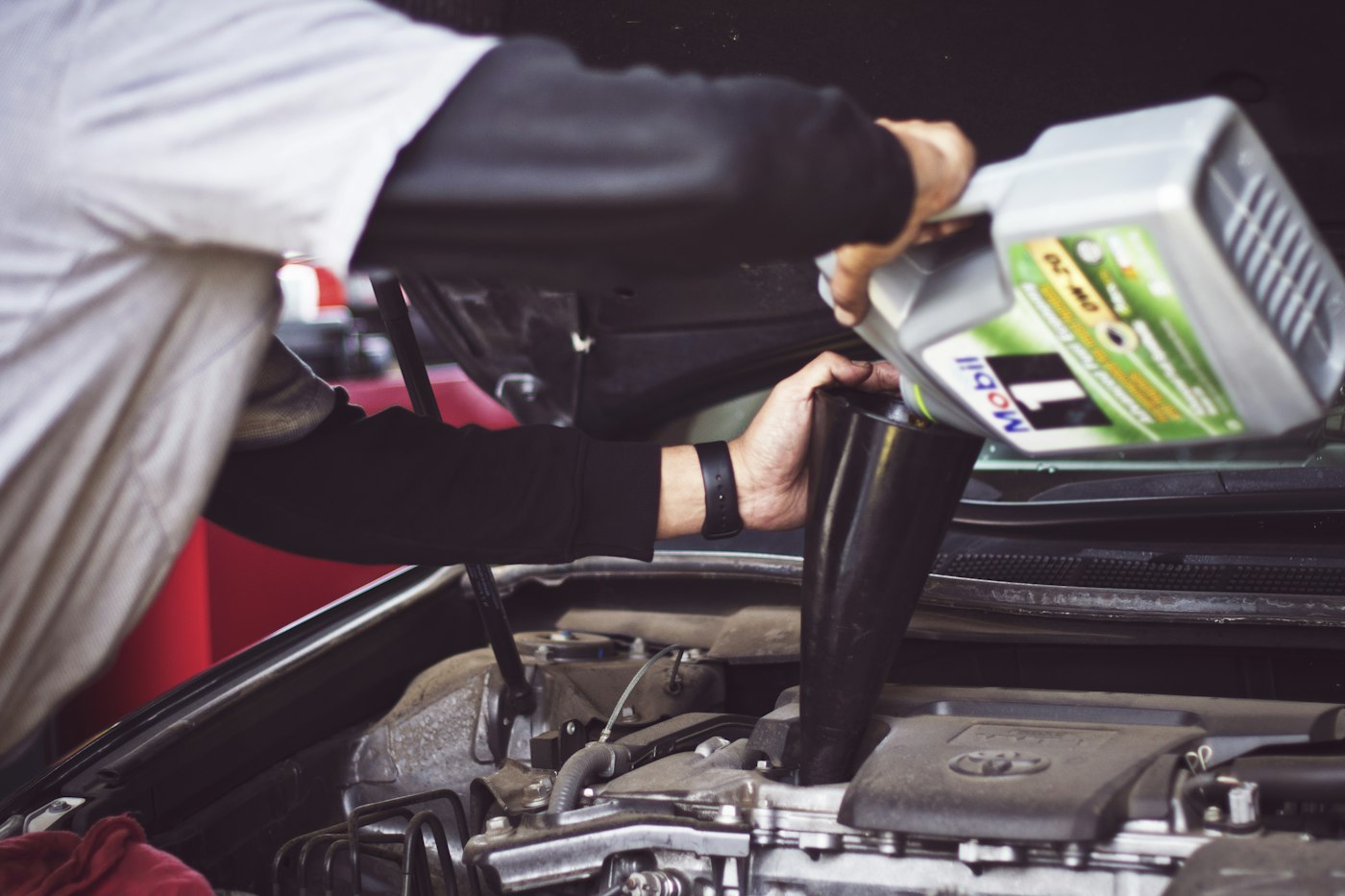
Independent transmission inspection can identify early failure signs that standard dealership checks may miss.
Investigation vs. Recall: Why the Difference Matters
This is a critical distinction that every affected F-150 owner needs to understand. A recall means the manufacturer is required to fix the problem at no cost. An investigation means NHTSA is still gathering evidence to determine whether a recall is necessary.
During an investigation, Ford has no legal obligation to repair your truck for free. There is no recall number to reference. No dealer mandate to replace parts. If your transmission fails tomorrow, the repair bill is yours unless you can negotiate with Ford directly or qualify for goodwill coverage—which is rare.
This is where independent transmission shops provide a critical advantage. While dealerships may downplay symptoms (particularly when there is no active recall to reference), an independent specialist focused solely on transmissions can provide an honest, thorough assessment of your 6R80's condition.
Why This Matters for Sonoma County F-150 Owners
Sonoma County driving conditions are particularly demanding on transmissions. Highway 101 between Petaluma and Cloverdale involves constant speed changes, hill climbs, and merging maneuvers—all situations where the 6R80 is most vulnerable to the reported failure. Add wine country back roads, seasonal towing, and the temperature swings between coastal fog and inland heat, and you have a recipe for accelerated transmission wear.
The 2015–2017 model years also represent the sweet spot of the used truck market. Many of these F-150s have changed hands, and subsequent owners may not be aware of the investigation. If you purchased a used F-150 in this range, checking the NHTSA database should be your first step.
As Ford repair specialists with nearly 30 years of transmission experience, we see F-150 transmission issues regularly. The 6R80 is a unit we know inside and out. When owners come in describing harsh downshifts or intermittent lockup sensations, we know exactly what to look for—and more importantly, how to fix it before it becomes a safety emergency.
What To Do Now
1. Check your vehicle's status. Visit nhtsa.gov/recalls and enter your VIN. Even though this is an investigation (not a recall), NHTSA tracks complaints by VIN, and checking keeps you informed if the status changes.
2. Get an independent transmission inspection. Don't wait for a recall that may be months away. A transmission specialist can scan for stored codes, check fluid condition, test shift quality, and identify early signs of valve body or solenoid failure. This is proactive maintenance that could prevent a dangerous on-road failure.
3. Document any symptoms. If you experience harsh downshifts, lockup sensations, or warning lights, write down the date, conditions, speed, and what happened. This documentation is critical if NHTSA escalates to a recall, if you pursue a warranty claim, or if you file a complaint.
4. File an NHTSA complaint. Your complaint directly supports the investigation. Go to nhtsa.gov/report-a-problem and describe your experience. The more complaints NHTSA receives, the faster the investigation moves toward a potential recall.
5. Drive cautiously in the meantime. Avoid aggressive acceleration and heavy towing if possible. If you experience a sudden downshift or rear-wheel lockup while driving, grip the steering wheel firmly, ease off the accelerator, signal, and pull to the shoulder safely. Activate your hazard lights and call for a tow. Do not attempt to continue driving.
Own a 2015–2017 Ford F-150? Get your transmission inspected now.
Unlike a recall, this investigation means Ford isn't required to fix your truck for free. Our ATRA & ASE Certified transmission technicians can diagnose 6R80 issues, identify early failure signs, and repair problems before they become dangerous. Transmission repair is our core specialty—it's in our name.
(707) 584-7727Call for a transmission inspectionQuestions
Is this a recall? No. This is an active NHTSA investigation. That means the federal government is gathering evidence to determine whether a recall is warranted. There is no recall number, and Ford is not yet required to provide free repairs.
Will Ford fix my truck for free? Not at this time. Because the investigation has not resulted in a recall, Ford has no mandate to cover repair costs. Some owners have reported success negotiating goodwill repairs directly with Ford, but this is not guaranteed. An independent transmission shop can often diagnose and repair the issue at a lower cost than a dealership.
Is it safe to drive my F-150? If you have not experienced any symptoms, the risk is lower but not zero. The failure can occur without prior warning. If you have noticed any of the warning signs listed above, get a transmission inspection immediately and avoid highway driving until cleared.
Does my F-150 have the 6R80 transmission? The 6R80 was the standard six-speed automatic in 2015–2017 F-150s. If your truck has a six-speed automatic (not the 10-speed introduced in 2017 Raptor and later expanded), it likely has the 6R80. Check your door jamb sticker or owner's manual to confirm.
How do I file a complaint with NHTSA? Visit nhtsa.gov/report-a-problem. You'll need your VIN, a description of the problem, and any relevant dates. Filing a complaint is the single most effective action you can take to push this investigation toward a recall.
Can a transmission specialist fix this? Yes. The 6R80 is a well-understood transmission that independent specialists work on regularly. Depending on the diagnosis, repairs may involve valve body service, solenoid replacement, or electronic control module reprogramming. Our Ford F-150 transmission repair guide covers common issues and what to expect. A qualified transmission repair shop can address the issue without waiting for Ford to act. Call (707) 584-7727 for an accurate quote.