Volkswagen Recalls 52,000+ ID.4 Electric Vehicles Over Battery Fire Risk
High-voltage battery modules in 2023–2025 VW ID.4s may overheat and catch fire—even while parked. Two NHTSA campaigns now cover the full scope of the defect.
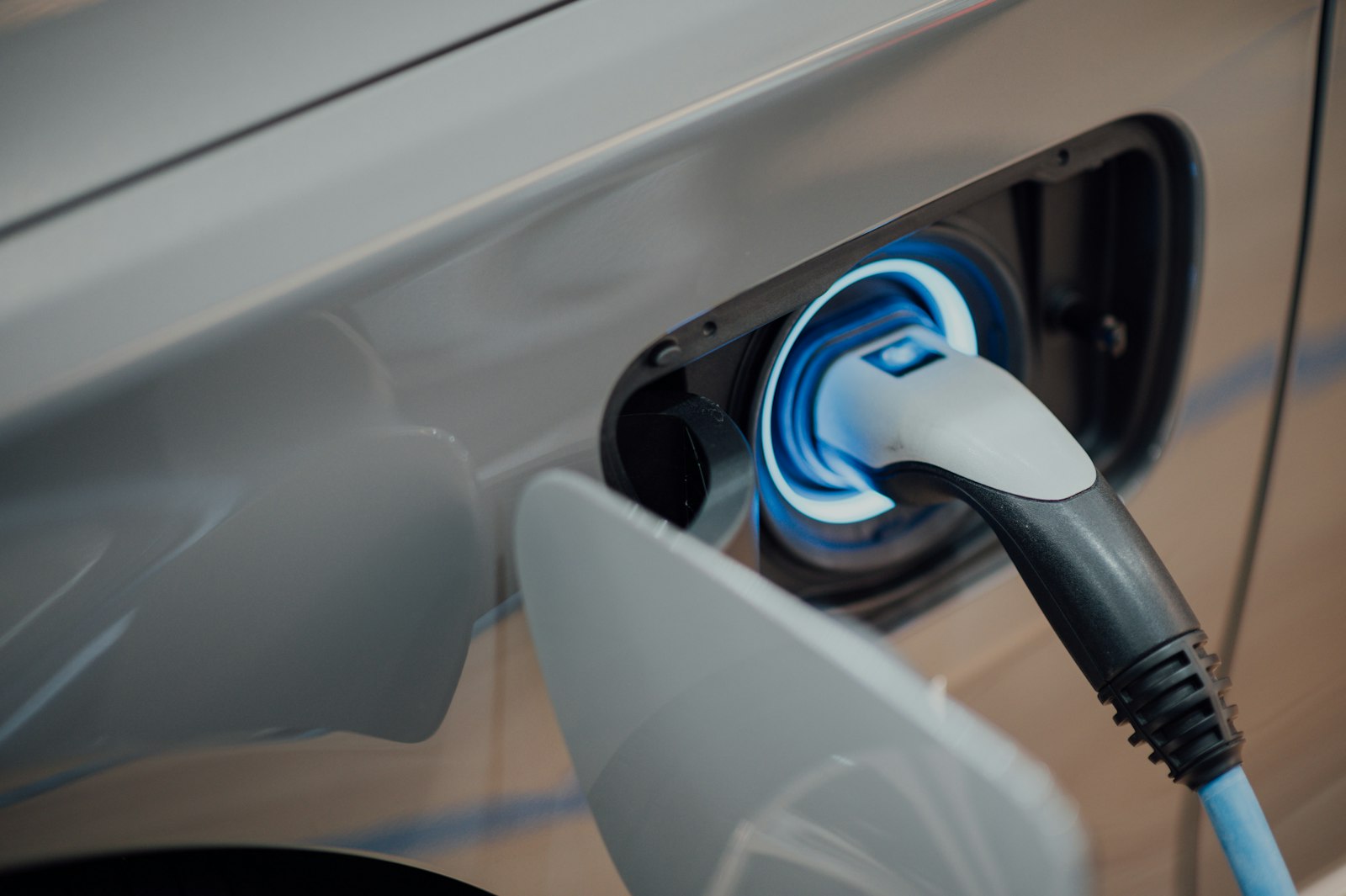
EV owners affected by the ID.4 recall should take immediate precautions around charging and parking
Volkswagen has issued two safety recalls covering more than 52,000 ID.4 electric vehicles in the United States and Canada after determining that defective high-voltage battery modules can overheat and potentially catch fire. The recalls, filed with the National Highway Traffic Safety Administration under Campaign Numbers 26V028 and 26V030, affect 2023 through 2025 model year ID.4s and represent one of the most significant EV battery safety actions of 2026.
At least three fire-related incidents have been linked to the defect. SK Battery America, the supplier of the battery modules, has acknowledged a “quality deviation” during a specific production window. For Sonoma County residents who drive an ID.4 or are considering a used EV purchase, understanding the scope and urgency of this recall is essential.
Here is everything we know about the Volkswagen ID.4 battery recall, which vehicles are affected, what the risks are, and exactly what owners should do right now.
“High-voltage battery modules may overheat and catch fire—even while the vehicle is parked or charging.”
— NHTSA Campaign Numbers 26V028 & 26V030
What Is the Volkswagen ID.4 Battery Recall?
The recall actually consists of two separate NHTSA campaigns that together address the full scope of the battery defect. The primary recall, Campaign 26V028, covers 43,881 vehicles in the United States plus an additional 8,526 in Canada. These ID.4s contain high-voltage battery modules that may experience thermal events due to a manufacturing quality issue during a specific production period.
The second campaign, 26V030, targets a smaller but higher-risk subset of approximately 670 additional ID.4 vehicles. These units have battery cells with misaligned electrodes—a more acute defect that presents an elevated fire risk. Combined, the two campaigns affect more than 52,000 vehicles.
The root cause traces back to SK Battery America, which manufactured the battery modules. The company has acknowledged that a quality deviation occurred during production, leading to cells that can generate excess heat under certain conditions. When a cell overheats beyond its designed thermal limits, the result can be thermal runaway—an uncontrolled chain reaction that produces extreme temperatures and potentially open flame.
Three fire-related incidents have been documented in connection with the defect. While no fatalities have been reported as of the filing date, the nature of battery fires—which burn at extremely high temperatures and are difficult to extinguish—makes this recall particularly urgent.
Which Vehicles Are Affected?
The recalls cover 2023, 2024, and 2025 model year Volkswagen ID.4 vehicles. Both the Pro and Pro S trim levels are included, and the recall applies equally to rear-wheel drive and all-wheel drive variants. If you own or lease any ID.4 manufactured during these model years, your vehicle may be affected.
Not every ID.4 within these model years necessarily has the defective battery modules. The defect is tied to specific production dates at the battery manufacturing facility. The most reliable way to determine whether your specific vehicle is included is to check your Vehicle Identification Number (VIN) directly through NHTSA's recall lookup tool at nhtsa.gov/recalls.
The higher-risk subgroup under Campaign 26V030 involves 1,299 vehicles with misaligned battery cell electrodes. These were manufactured between November 3, 2022 and September 22, 2024. Owners in this group face the most immediate risk and have specific interim safety instructions from Volkswagen.
What Are the Risks?
The primary risk is a battery thermal event that can lead to fire. Unlike a conventional vehicle fire that typically originates from fuel leaks or electrical shorts, an EV battery fire involves a chemical reaction within the lithium-ion cells themselves. These fires burn hotter, last longer, and are significantly more difficult to extinguish than traditional vehicle fires.
What makes this defect particularly concerning is that the thermal event can occur during charging or even while the vehicle is parked—not just during driving. This means a vehicle charging overnight in a garage could potentially ignite without any occupant being aware until the fire is well underway.
For the 1,299 vehicles in the highest-risk group with misaligned electrodes, Volkswagen has issued specific interim guidance: owners should park outside immediately after charging and should not charge their vehicles in enclosed garages until the recall repair has been completed. This guidance underscores the severity of the issue for this subset of vehicles.
General warning signs that may precede a battery thermal event include unusual odors (chemical or burning smell), visible smoke from beneath the vehicle, unexpected battery temperature warnings on the dashboard, and sudden drops in driving range. Any of these symptoms warrants immediately pulling over in a safe location, evacuating the vehicle, and calling 911.
Owners in the highest-risk group should park outside immediately after charging and avoid charging in enclosed garages until the recall repair is complete.
What Should VW ID.4 Owners Do Right Now?
Step 1: Check your VIN immediately. Visit nhtsa.gov/recalls and enter your 17-digit Vehicle Identification Number. This will tell you whether your specific vehicle is covered under either Campaign 26V028 or 26V030, and which risk category applies.
Step 2: Contact your local Volkswagen dealer. Once you confirm your vehicle is affected, schedule a recall appointment. Do not wait for the official notification letter to take action. Dealers are authorized to perform the recall repair as soon as parts and procedures are available.
Step 3: Follow interim safety precautions. If your vehicle falls within the high-risk group (Campaign 26V030 with misaligned electrodes), follow Volkswagen's interim guidance: park outside after charging, do not charge in enclosed garages, and remain alert for any warning signs of battery distress. Even if you are in the broader recall group, charging outdoors or in well-ventilated areas is a reasonable precaution.
Step 4: Watch for your official notification. Volkswagen is expected to send owner notification letters by March 20, 2026. However, you should not wait for this letter to take action. The recall information is already publicly available through NHTSA, and dealers can look up your vehicle immediately.
Step 5: Get the repair done—it is completely free. The recall remedy involves a high-voltage battery software update and, if necessary, replacement of affected battery modules. All work is performed at no cost to the owner at any authorized Volkswagen dealership. This is a federal safety recall, and the manufacturer is legally required to cover the full cost of the repair.
California Lemon Law and This Recall
California has some of the strongest consumer protection laws in the country when it comes to defective vehicles. The Song-Beverly Consumer Warranty Act—commonly known as the California Lemon Law—provides specific protections for owners of vehicles that have substantial defects which the manufacturer cannot repair after a reasonable number of attempts.
If your ID.4 has required multiple visits to the dealer for recall-related repairs, if the vehicle has been out of service for an extended period awaiting parts or repair, or if the battery defect has not been fully resolved after the recall service, you may have grounds for a lemon law claim. This is especially relevant for owners whose vehicles fall in the high-risk misaligned electrode group, where the defect is more severe.
This article is not legal advice, and every situation is different. If you believe your vehicle qualifies, consult with a California lemon law attorney who can evaluate your specific circumstances. Many lemon law attorneys offer initial consultations, and successful claims often result in the manufacturer covering attorney fees.
How This Affects Sonoma County EV Owners
Electric vehicle adoption has been accelerating across Sonoma County, driven by California's aggressive emissions targets, expanding charging infrastructure, and the region's environmentally conscious population. The Volkswagen ID.4 has been one of the more popular affordable EV options, which means a meaningful number of local drivers are directly affected by this recall.
For context on the broader EV landscape in our region, our guide on California's EV Revolution: What Drivers Need to Know covers adoption trends, infrastructure developments, and what the shift to electric means for vehicle maintenance and safety.
If you experience any signs of a battery problem—unusual smells, smoke, unexpected dashboard warnings, or sudden range loss—take immediate action. Pull over to a safe location away from buildings and other vehicles. Evacuate all passengers and move at least 100 feet from the vehicle. Call 911 immediately.
Critically, do not attempt to extinguish an EV battery fire with water or a standard fire extinguisher. Lithium-ion battery fires require specialized firefighting techniques and enormous volumes of water to cool the cells. Let trained first responders handle the situation. Your safety and the safety of bystanders is the only priority.
Professional EV and Hybrid Diagnostics in Rohnert Park
While the ID.4 battery recall must be handled by an authorized Volkswagen dealership, Rohnert Park Transmission & Auto Repair provides comprehensive support for EV and hybrid owners across Sonoma County. Our ASE Certified technicians can assist with a range of services that complement your dealer recall experience.
If you are considering purchasing a used electric or hybrid vehicle, our pre-purchase inspection service can help you identify potential issues before you commit. We also provide advanced vehicle diagnostics and electrical system diagnosis for hybrid and conventional vehicles.
For hybrid vehicle owners concerned about battery health and maintenance best practices, our guide on hybrid vehicle maintenance covers what every hybrid owner should know. And our electric vehicle repair page details the EV-related services we offer.
Understanding your vehicle's electrical system is increasingly important as vehicles become more electronically complex. Whether you drive an EV, hybrid, or conventional vehicle, regular diagnostic checks can catch problems early.
Have questions about your vehicle's electrical system or need a diagnostic inspection? Call Rohnert Park Transmission & Auto Repair at (707) 584-7727 to schedule an appointment with our ASE Certified team.
Frequently Asked Questions
Is my VW ID.4 affected by the recall? The most reliable way to check is to enter your 17-digit VIN at nhtsa.gov/recalls. The recalls cover 2023–2025 ID.4 models, but not every vehicle within those years is necessarily affected. The VIN check will give you a definitive answer.
Can I still drive my VW ID.4 during the recall? For most affected owners, yes—but with precautions. Owners in the high-risk group (approximately 1,299 vehicles with misaligned electrodes) should avoid charging in enclosed garages and should park outside immediately after charging. All owners should monitor for warning signs including unusual smells, smoke, or battery temperature alerts.
How much does the VW ID.4 recall repair cost? Nothing. The recall repair is completely free at any authorized Volkswagen dealership. This includes the battery software update and any battery module replacement if required. Federal law requires manufacturers to cover the full cost of safety recall repairs.
When will VW fix my ID.4? Volkswagen is expected to send official owner notification letters by March 20, 2026. However, you do not need to wait for your letter. Contact your local VW dealer now to schedule your recall service. Parts and procedures are being distributed to the dealer network.
What should I do if I smell burning from my EV? Pull over to a safe location immediately, away from buildings and other vehicles. Turn off the vehicle if you can do so safely. Evacuate all passengers and move at least 100 feet away. Call 911. Do not attempt to open the hood or investigate the source of the smell. Do not use water or a standard fire extinguisher on a lithium-ion battery fire—let trained firefighters handle it.